
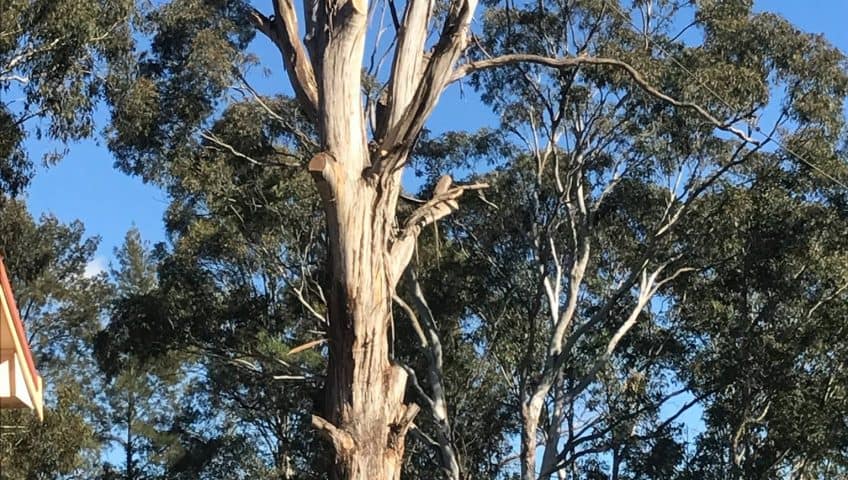
Sustainable Landscaping and the Role of Tree Consulting in Landscape Design
Table of Contents
ToggleSustainable landscaping is more than just creating an attractive outdoor space; it’s about designing landscapes that are environmentally responsible, resource-efficient, and beneficial to local ecosystems. Trees play a vital role in sustainable landscapes by improving air quality, conserving water, providing shade, and enhancing biodiversity. However, to maximise these benefits, property owners, developers, and landscape architects must consider tree selection, placement, and long-term maintenance.
Engaging a consulting arborist Sydney can provide essential expertise in assessing tree health, selecting appropriate species, and ensuring that landscaping decisions align with sustainability goals. A professional arborist can help mitigate potential risks such as poor growth conditions, structural instability, or conflicts with existing infrastructure, ensuring that trees contribute positively to the built environment.
Tree consulting services provide expert guidance to ensure trees thrive in their intended environments while minimising potential risks such as poor growth conditions, structural instability, or root damage to infrastructure. In this article, we will explore how tree consulting can enhance landscape design, promote sustainability, and support eco-conscious developments.
What is Sustainable Landscaping?
Sustainable landscaping refers to the practice of designing, constructing, and maintaining outdoor spaces that support ecological balance, conserve resources, and reduce environmental impact. This approach focuses on selecting plants and trees that require minimal intervention while contributing to biodiversity.
Key principles of sustainable landscaping include:
- Water conservation: Using drought-resistant plants and efficient irrigation systems.
- Soil health management: Enhancing soil structure with organic materials and proper aeration.
- Biodiversity support: Creating habitats for native wildlife by selecting appropriate plant species.
- Energy efficiency: Using trees strategically to provide natural cooling and wind protection.
- Waste reduction: Recycling green waste and minimising the use of chemical fertilisers and pesticides.
Incorporating tree consulting into landscape design ensures that trees are selected, placed, and maintained in ways that support these principles while aligning with the specific goals of a property or development project.
The Role of Tree Consulting in Sustainable Landscaping
Tree consulting plays a crucial role in sustainable landscaping by helping property owners and developers make informed decisions about tree selection, placement, and care. Consulting arborists assess site conditions, recommend suitable tree species, and provide long-term maintenance strategies to promote healthy and resilient landscapes.
How Tree Consulting Enhances Landscape Sustainability:
- Improving Tree Longevity: Proper tree selection and placement reduce stress on trees, helping them grow strong and healthy.
- Preventing Infrastructure Damage: Tree consultants assess root systems to prevent interference with buildings, pavements, and underground utilities.
- Optimising Water Usage: Selecting drought-tolerant species and implementing efficient irrigation systems reduces water consumption.
- Enhancing Aesthetic Appeal: A well-planned landscape with healthy trees adds beauty and value to properties.
- Ensuring Compliance with Local Regulations: Many councils require assessments before planting or removing trees, and consulting arborists can guide property owners through the process.
Key Elements of Tree Consulting for Sustainable Landscaping
Tree Selection and Placement
Choosing the right trees for a landscape is essential to ensure long-term sustainability. Factors such as climate, soil type, and available space influence tree selection. Consulting arborists evaluate these factors and recommend tree species that will thrive in the given environment with minimal maintenance.
Proper tree placement also plays a role in reducing energy consumption. For instance, strategically placing trees around buildings can provide shade in summer, reducing cooling costs, while allowing sunlight to filter through in winter for natural warmth.
Soil Health and Tree Growth
Healthy soil is fundamental for tree growth. Poor soil conditions can lead to weak root systems, increased vulnerability to pests and diseases, and premature tree failure. Tree consultants assess soil composition and recommend improvements such as:
- Mulching to retain moisture and regulate soil temperature.
- Adding organic matter to enhance nutrient availability.
- Implementing aeration techniques to improve drainage and root expansion.
Ensuring soil health from the outset helps trees establish strong root systems and enhances their ability to withstand environmental stressors.
Water Management and Irrigation Planning
Sustainable landscaping prioritises water conservation, and tree consulting can help implement efficient irrigation strategies. Consulting arborists assess a site’s water availability and recommend solutions such as:
- Drip irrigation systems that deliver water directly to tree roots.
- Rainwater harvesting for irrigation.
- Selecting tree species that require minimal watering once established.
These practices ensure that trees receive adequate hydration without excessive water use, making landscapes more environmentally sustainable.
Tree Protection in Urban and Residential Landscapes
Trees in urban environments face unique challenges, such as soil compaction, pollution, and restricted root growth. Tree consultants identify potential threats and suggest measures to protect trees, including:
- Installing root barriers to prevent interference with buildings and pavements.
- Using protective fencing around trees during construction.
- Implementing proper pruning techniques to maintain tree structure and health.
By mitigating risks, tree consulting helps preserve the longevity and stability of trees in high-density areas.
Managing Tree Risks in Sustainable Landscaping
Trees can pose risks if they become unstable, diseased, or overgrown. Tree consulting services provide regular assessments to identify and mitigate potential hazards before they cause damage. Some common tree risks include:
- Overhanging branches near buildings or power lines.
- Weak root systems that make trees prone to toppling.
- Structural defects such as cracks or decay in the trunk.
By proactively addressing these risks, property owners can maintain a safe and well-balanced landscape.
The Environmental and Economic Benefits of Tree Consulting in Landscaping
Incorporating tree consulting into landscape planning not only benefits the environment but also provides economic advantages.
Environmental Benefits:
- Reduces carbon footprint by increasing tree canopy coverage.
- Enhances biodiversity by creating habitats for birds and pollinators.
- Improves air and water quality through natural filtration processes.
Economic Benefits:
- Increases property value by enhancing curb appeal and outdoor aesthetics.
- Lowers maintenance costs by selecting resilient tree species that require less intervention.
- Reduces energy expenses by utilising tree shade for natural cooling.
Sustainable landscapes designed with expert tree consulting deliver long-term value while supporting environmental conservation.
Case Study: Successful Sustainable Landscaping with Tree Consulting
In a recent development project in Sydney, a consulting arborist was engaged to integrate sustainable tree solutions into the landscape. By carefully selecting native tree species and designing an irrigation system using recycled rainwater, the project successfully reduced water consumption by 40%. Strategically placed trees lowered energy costs for the development by providing natural windbreaks and shade, which improved thermal efficiency and reduced reliance on artificial heating and cooling systems. Here’s how:
Cooling Benefits in Summer
During hot weather, trees with broad canopies and dense foliage provided shade to buildings, pavements, and outdoor areas. By reducing direct sunlight exposure:
- Lower indoor temperatures – Shaded structures absorbed less heat, keeping indoor spaces cooler.
- Reduced air conditioning use – With cooler interiors, there was less need for air conditioning, leading to lower electricity consumption and reduced cooling costs.
- Mitigation of the urban heat island effect – Trees helped moderate temperature fluctuations, making the overall area more comfortable.
Wind Protection in Winter
During colder months, trees functioned as natural windbreaks, reducing the impact of cold winds against buildings. This:
- Minimised heat loss – By blocking strong winds, trees helped prevent warm indoor air from escaping through walls, windows, and doors.
- Lowered heating demands – With reduced wind chill effects, heating systems didn’t have to work as hard to maintain comfortable indoor temperatures, leading to lower energy bills.
Improved Microclimate and Energy Efficiency
By carefully selecting and positioning trees, developers created a microclimate that balanced cooling and wind protection, leading to year-round energy savings. The combination of reduced cooling loads in summer and decreased heating demands in winter contributed to lower operational costs for the development, enhancing its sustainability and long-term cost-effectiveness.
This case study highlights how professional tree consulting contributes to environmental sustainability while enhancing the aesthetic and functional aspects of a landscape.
Conclusion
Sustainable landscaping is a forward-thinking approach that balances beauty, functionality, and environmental responsibility. Tree consulting plays a crucial role in achieving these goals by guiding the selection, placement, and care of trees to ensure they thrive for generations to come.
Property owners, developers, and landscape architects who invest in professional tree consulting services can create landscapes that are not only visually stunning but also resilient and sustainable.
For expert tree consulting and sustainable landscape solutions, contact our team today and take the first step toward a greener future.
FAQs
Q1: How does tree consulting improve sustainability in landscaping?
A1: Tree consulting ensures proper tree selection, placement, and maintenance, reducing water use, minimising risks, and enhancing ecosystem health.
Q2: What trees are best for sustainable landscaping?
A2: Native and drought-resistant trees are ideal, as they require less water, support local biodiversity, and adapt well to the environment.
Q3: Can tree consulting help prevent tree-related infrastructure damage?
A3: Yes, tree consultants assess root systems and provide solutions like root barriers to prevent interference with buildings and utilities.
Q4: How does tree placement impact energy efficiency?
A4: Well-placed trees provide shade in summer, reducing cooling costs, and allow sunlight through in winter to aid natural heating.
Q5: Is tree consulting necessary for residential landscaping?
A5: While not mandatory, tree consulting helps homeowners create low-maintenance, eco-friendly landscapes that add long-term value to their property.