
How to Choose Trees That Withstand Sydney’s Storm Seasons
Table of Contents
ToggleEach year, Sydney experiences storm seasons that bring high winds, heavy rainfall, and saturated soils. These weather events, while familiar to locals, pose real risks to both people and properties, especially where trees are concerned. Choosing the right tree species and planting them thoughtfully can significantly reduce the likelihood of storm-related damage, lower maintenance costs, and protect long-term investments in landscaping.
Understanding which trees offer better resilience, which species thrive in Sydney conditions, and why seeking early advice from a consulting arborist in Sydney is so valuable can make all the difference when planning any outdoor project. A local expert can recommend tree selections suited to specific soil types, microclimates, and council requirements, helping you design a landscape that stands up to unpredictable weather.
Why Tree Resilience Matters During Storm Season
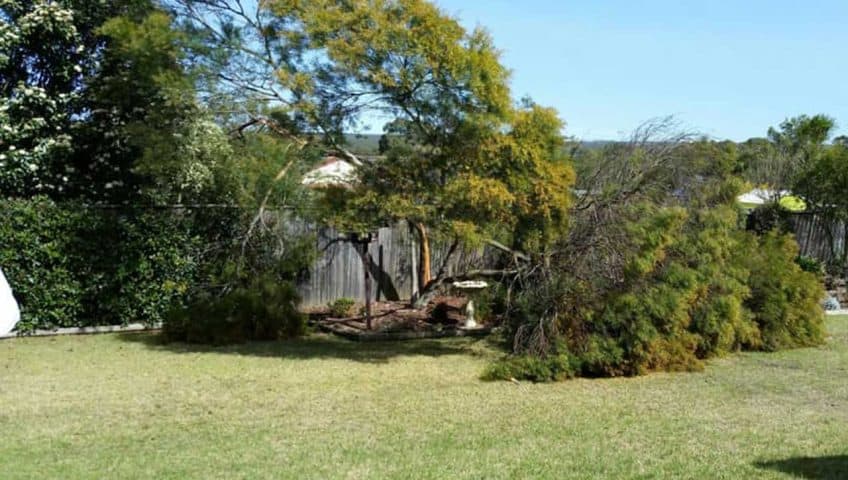
During Sydney’s storm season, particularly from late summer through early autumn, conditions can quickly deteriorate. Strong winds combined with saturated soils create the perfect recipe for tree failures. Even seemingly healthy trees may topple or shed large branches if their roots are compromised or their canopies are poorly structured.
The results can be costly, ranging from damaged roofs and fences to blocked driveways and increased liability risks. Poor species selection or planting mistakes made years earlier often become painfully obvious only when severe weather strikes. Planning for storm resilience from the outset isn’t just sensible—it’s essential for protecting both property and personal safety.
Understanding Sydney’s Storm Patterns and Risk Zones
Sydney’s geography means storm impacts can vary dramatically across different areas. Western Sydney, for example, often faces intense winds and must contend with heavier clay-based soils, which affect how water drains and how deeply roots can anchor. In contrast, coastal suburbs experience storms with saturated sandy soils, exposing trees to salt-laden winds and different stress conditions.
This variation means that selecting the right trees isn’t a one-size-fits-all process. What works in Hornsby may not suit the Northern Beaches. Understanding these local conditions is critical when planning planting strategies that will endure for decades.
Key Factors That Make Trees More Storm-Resilient
Certain biological features can make a tree naturally more resistant to storm damage. When choosing species or reviewing existing trees, look for the following characteristics:
- Deep, widespread root systems that provide strong anchorage in varying soil types.
- Dense wood and flexible branches that bend under pressure rather than snap.
- Well-formed branch attachment angles that distribute wind forces more evenly.
- Moderate canopy density, avoiding trees that become overly heavy and wind-catching.
- Tolerance to wet or periodically waterlogged soil conditions, critical after sustained rainfalls.
Selecting trees with these traits, and planting them in the right way, significantly boosts their chances of surviving Sydney’s unpredictable storms.
Examples of Tree Species That Perform Well in Sydney’s Storms
Several tree species are consistently recommended by arborists for their resilience under Sydney’s storm conditions. Some strong choices include:
- Lophostemon confertus (Brush Box): Dense hardwood and a naturally strong structure make this tree ideal for urban streetscapes and private gardens.
- Melaleuca quinquenervia (Broad-leaved Paperbark): Thrives in wetter areas and handles saturated soils better than many other native trees.
- Tristaniopsis laurina (Water Gum): Offers excellent structural integrity combined with a manageable size, making it well-suited for suburban settings.
- Angophora costata (Smooth-barked Apple): Known for its elegant branching habit and sturdy root system, performing reliably across much of the Sydney Basin.
When selected and planted thoughtfully, these species offer both lasting beauty and greater durability against harsh weather.
Species to Approach with Caution During Site Planning
Not all trees are equal when it comes to storm resilience. Fast-growing eucalypt varieties, while visually striking and quick to establish, often develop weaker wood and shallow root systems that make them vulnerable to breakage. Similarly, many exotic ornamental species, valued for their flowers or quick growth, lack the structural integrity needed to survive Sydney’s heavy storms.
This doesn’t mean these trees must be avoided completely, but site selection, planting technique, and future maintenance become even more critical when working with more fragile species. Arborist advice at the planning stage can help determine whether a tree is a risk or a reasonable asset.
The Importance of Tree Placement and Spacing
Choosing a storm-hardy tree is only part of the equation. Even the strongest species can fail if planted incorrectly. Trees too close to houses, fences, or each other compete for root space and sunlight, increasing the chance of structural weaknesses developing over time.
Proper spacing allows trees to form well-balanced canopies and extensive root systems without interference. In urban environments, considerations like proximity to driveways, underground services, and building overhangs also matter. Consulting an arborist early ensures that trees are positioned for maximum resilience and minimal risk, long before storm season arrives.
The Role of Consulting a Professional Arborist in Tree Selection and Establishment
While general tree lists are useful, they cannot replace tailored advice based on a specific site’s conditions. Soil composition, slope stability, exposure to prevailing winds, drainage, and the intended landscape function all influence which trees will succeed.
A consulting arborist doesn’t just help choose the species. They also guide post-planting care such as proper staking, formative pruning to develop strong branch structure, and soil conditioning techniques that enhance early root establishment. With the right foundation, trees are more likely to survive and thrive even under the stress of major storms.
Getting advice at the planning or early landscaping stage saves time, money, and frustration later on. It is a proactive investment in creating safer, greener spaces.
FAQ’s
Q1: What makes a tree more resistant to storm damage?
A1: Trees with deep, wide root systems, flexible branches, strong branch attachments, and moderate canopies tend to resist storm damage better than others.
Q2: Are native Australian trees always better choices for storm resilience?
A2: While many native species are well-adapted to local conditions, not all are ideal for storm resilience. Site conditions and species-specific traits must also be considered.
Q3: Can mature trees be made more storm-resistant?
A3: Yes, to a degree. Regular pruning to maintain structural balance and proactive care like soil aeration and pest management can improve the resilience of mature trees.
Q4: How do saturated soils affect tree stability during storms?
A4: Saturated soils reduce the soil’s grip on roots, making even healthy trees more vulnerable to uprooting, particularly during high winds.
Q5: When should I consult an arborist about choosing storm-resistant trees?
A5: Ideally, consultation should happen during the planning or early planting stage. However, arborists can also help improve the resilience of existing trees through inspections and maintenance strategies.